
Mobility & Stretching: Beyond Just Warming Up
Mobility Is Performance, Not Optional
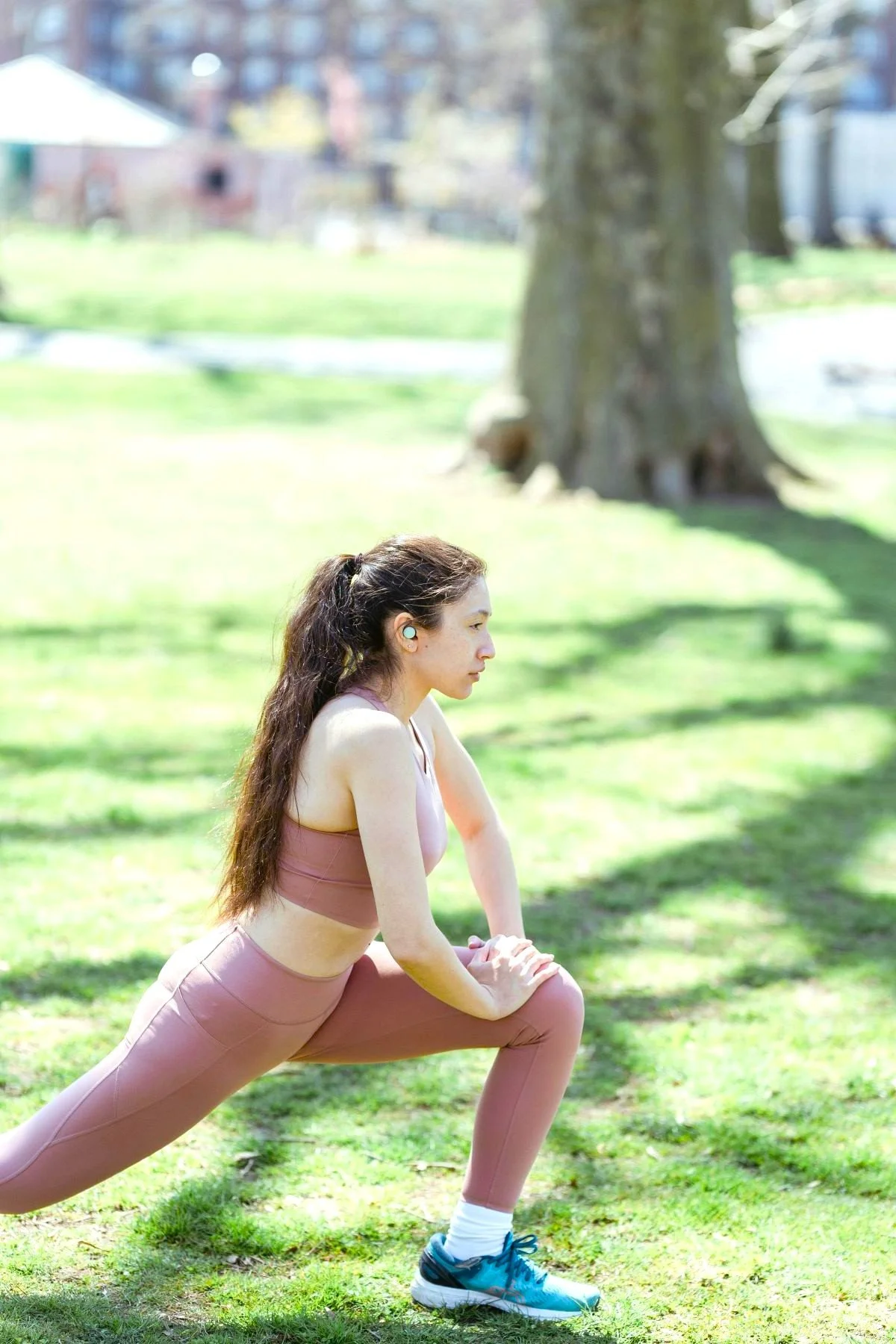
Many athletes overlook mobility, assuming stretching is only for flexibility or recovery. In reality, mobility and stretching improve joint health, movement efficiency, and performance. Women athletes who prioritize mobility move better, lift more safely, and reduce injury risk.
1. Dynamic Warm-Ups Before Training
Dynamic movements prepare muscles and joints for the full range of motion required in sports and lifting.
Examples: walking lunges, leg swings, arm circles, hip openers, and torso twists.
Benefits: increases blood flow, elevates heart rate, and activates muscles needed for explosive movements.
Tip: Spend at least 5–10 minutes on a dynamic warm-up, focusing on areas you’ll use most during the session.
2. Static Stretching Post-Workout
While dynamic movement warms you up, static stretching helps muscles recover.
Hold stretches for 20–60 seconds after training to improve flexibility and reduce tightness.
Key areas for female athletes: hamstrings, hip flexors, calves, quads, shoulders, and thoracic spine.
Benefits: improved range of motion, reduced post-workout soreness, and better movement patterns.
3. Targeted Mobility Drills
Mobility drills strengthen areas prone to tightness and injury.
Foam rolling or self-myofascial release releases tension.
Yoga poses and banded stretches improve joint stability and functional movement.
Focus on ankles, hips, shoulders, and thoracic spine, common areas for female athletes with limited mobility.
4. Consistency Over Intensity
Even 10–15 minutes per day of mobility work can significantly improve performance over time.
Incorporate it into warm-ups, cooldowns, or separate recovery sessions.
Consistency is more effective than occasional long sessions.
Mobility and stretching aren’t optional, they are essential tools for performance and injury prevention. Female athletes who prioritize movement quality train more effectively, recover faster, and perform stronger.